Different Waste. Different Technology.
Industrial organic waste varies greatly in moisture, composition, contamination, quantity and biological characteristics. Grunix Recycling therefore follows a waste-to-resource approach rather than using a single treatment method for every waste stream.
Biological, thermal, and valorization pathways tailored per material stream
 Pathway 01
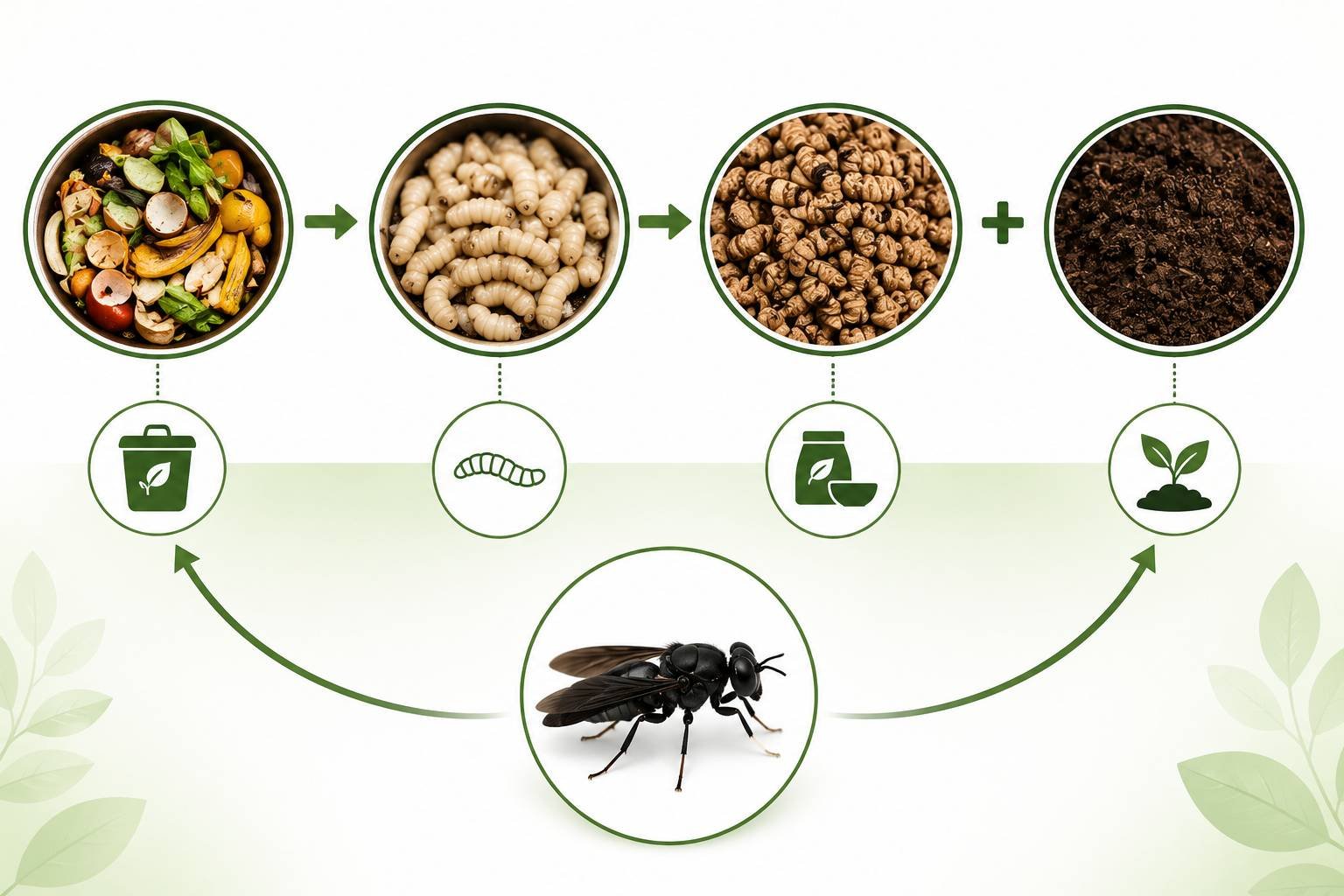
Suitable biodegradable food and agro-industrial waste can potentially be processed using Black Soldier Fly larvae.
Organic Waste → Biological Conversion → Biomass + Residue
 Pathway 02
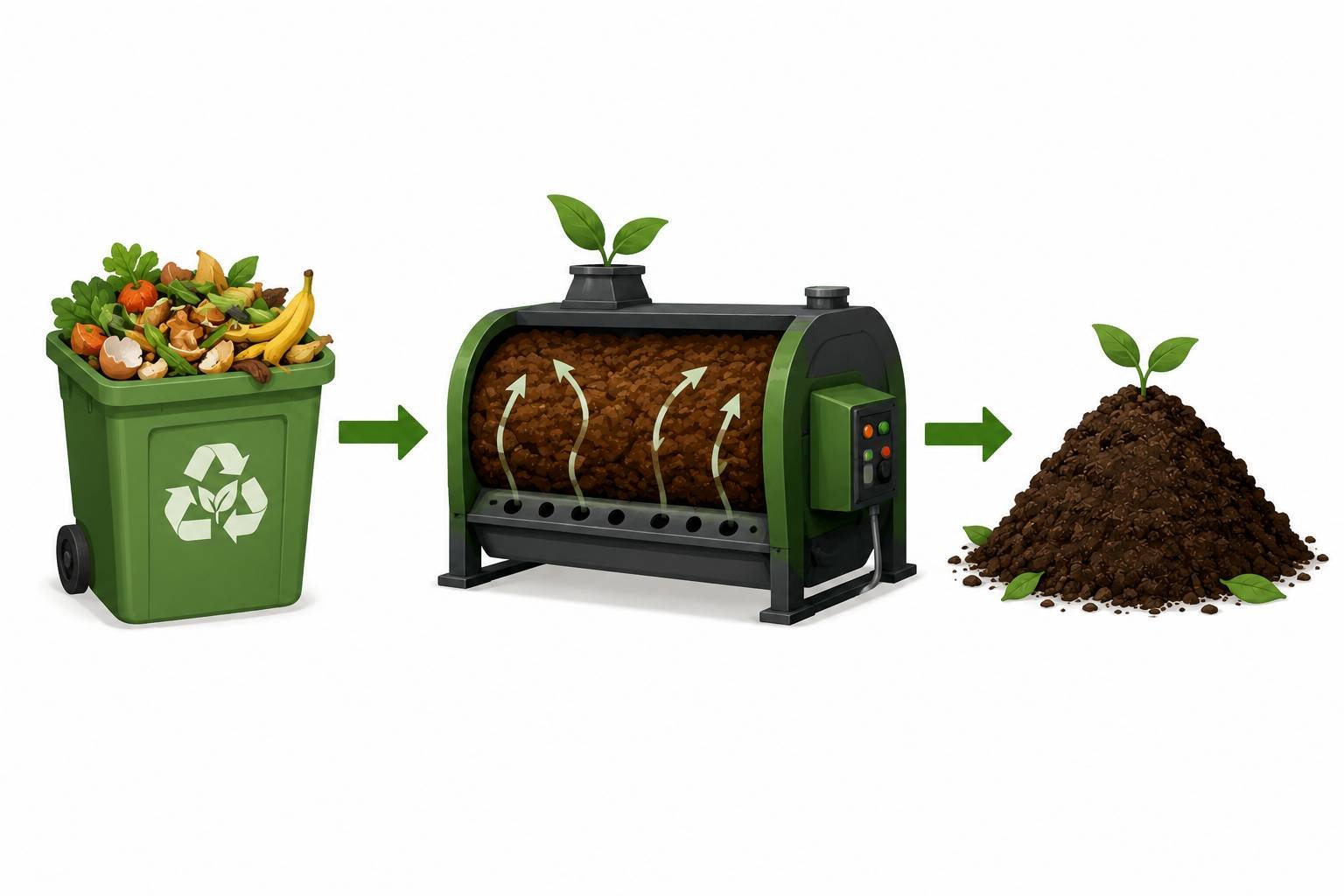
Composting is one of the most practical ways to recycle suitable biodegradable industrial and commercial organic waste.
 Pathway 03
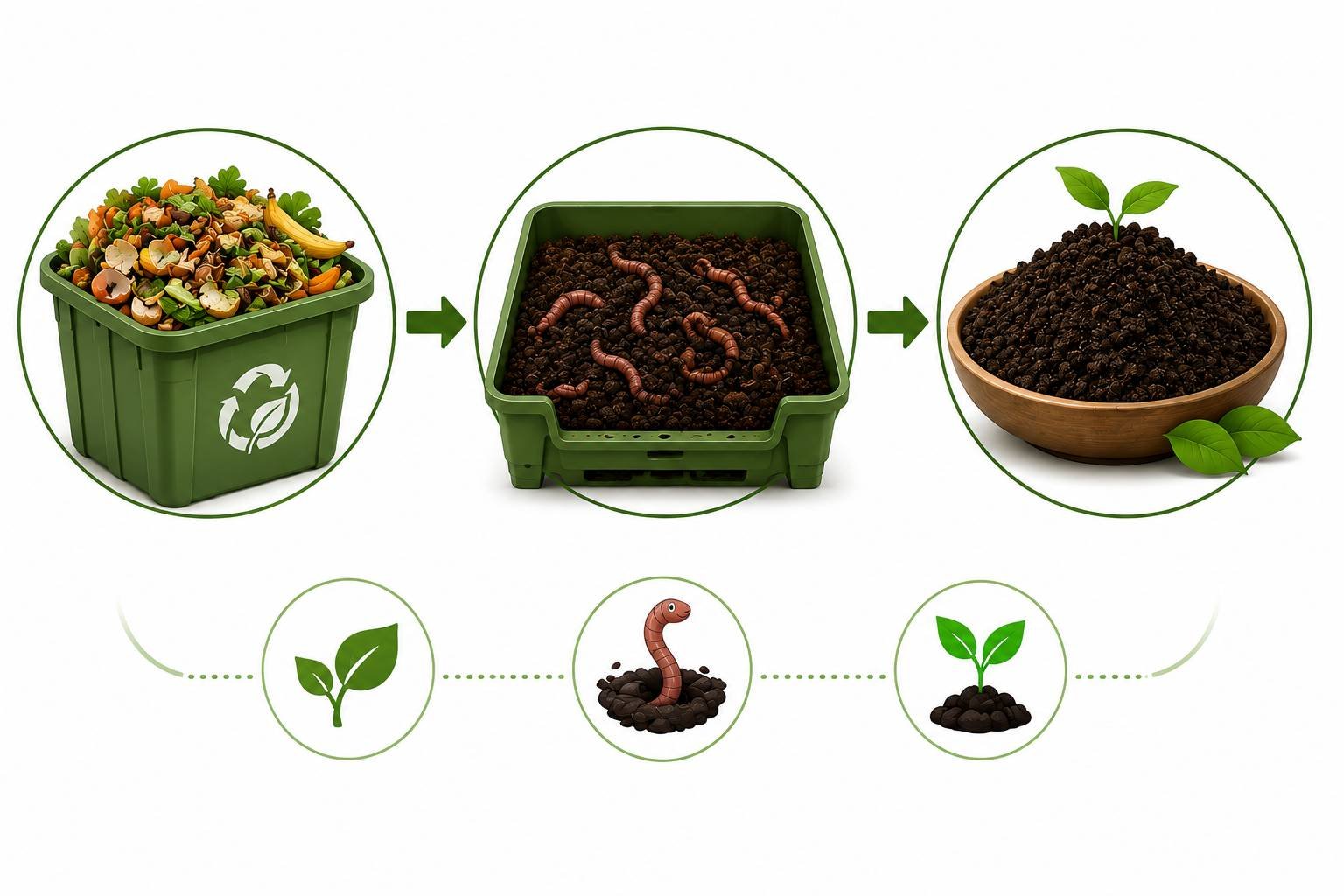
Suitable pre-processed organic material can be further processed using earthworms. Vermicomposting provides a biological pathway for converting suitable organic material into vermicompost.
 Pathway 04
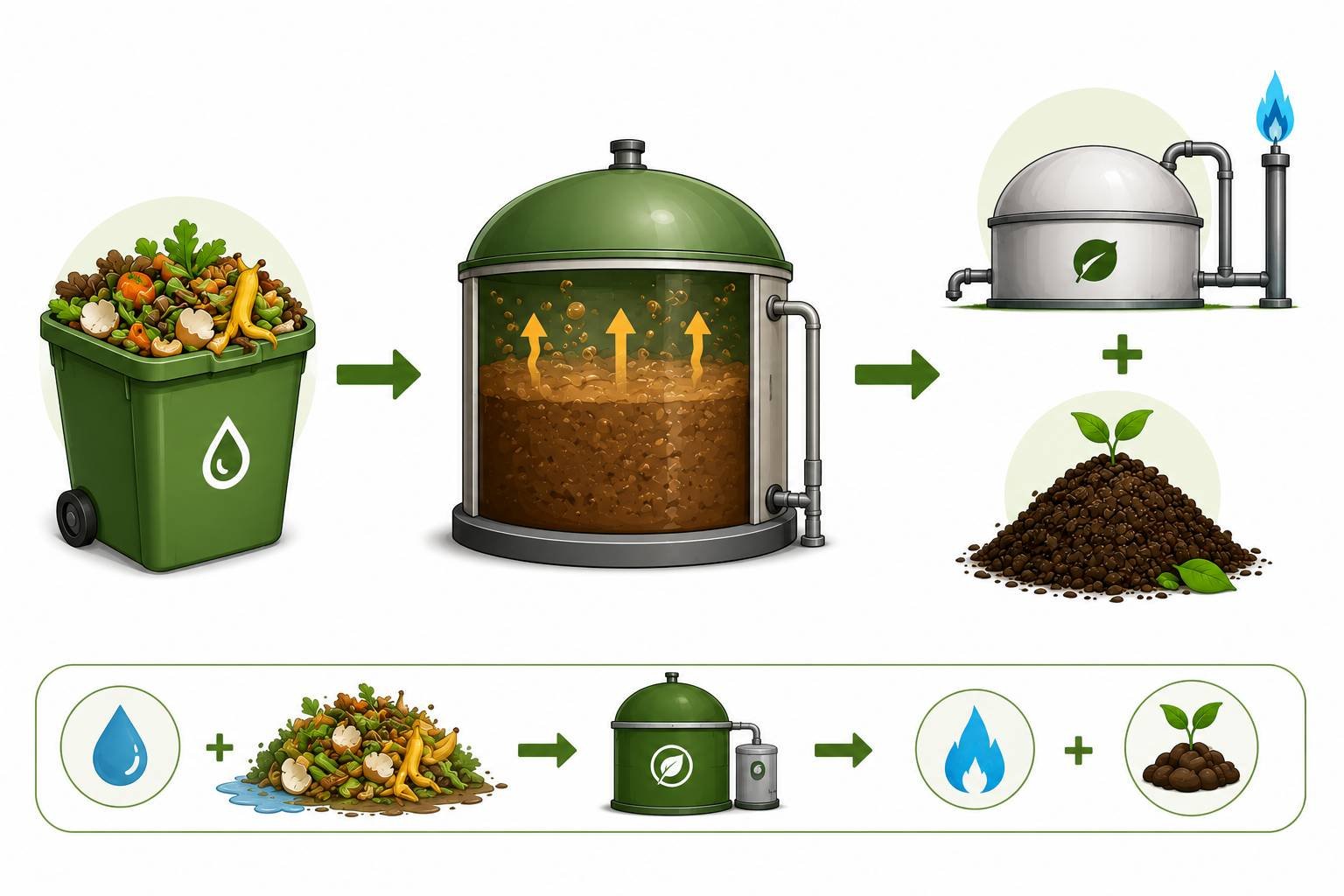
Large quantities of suitable, high-moisture organic waste can potentially be processed through anaerobic digestion.
Organic Waste → Biogas + Digestate
 Pathway 05
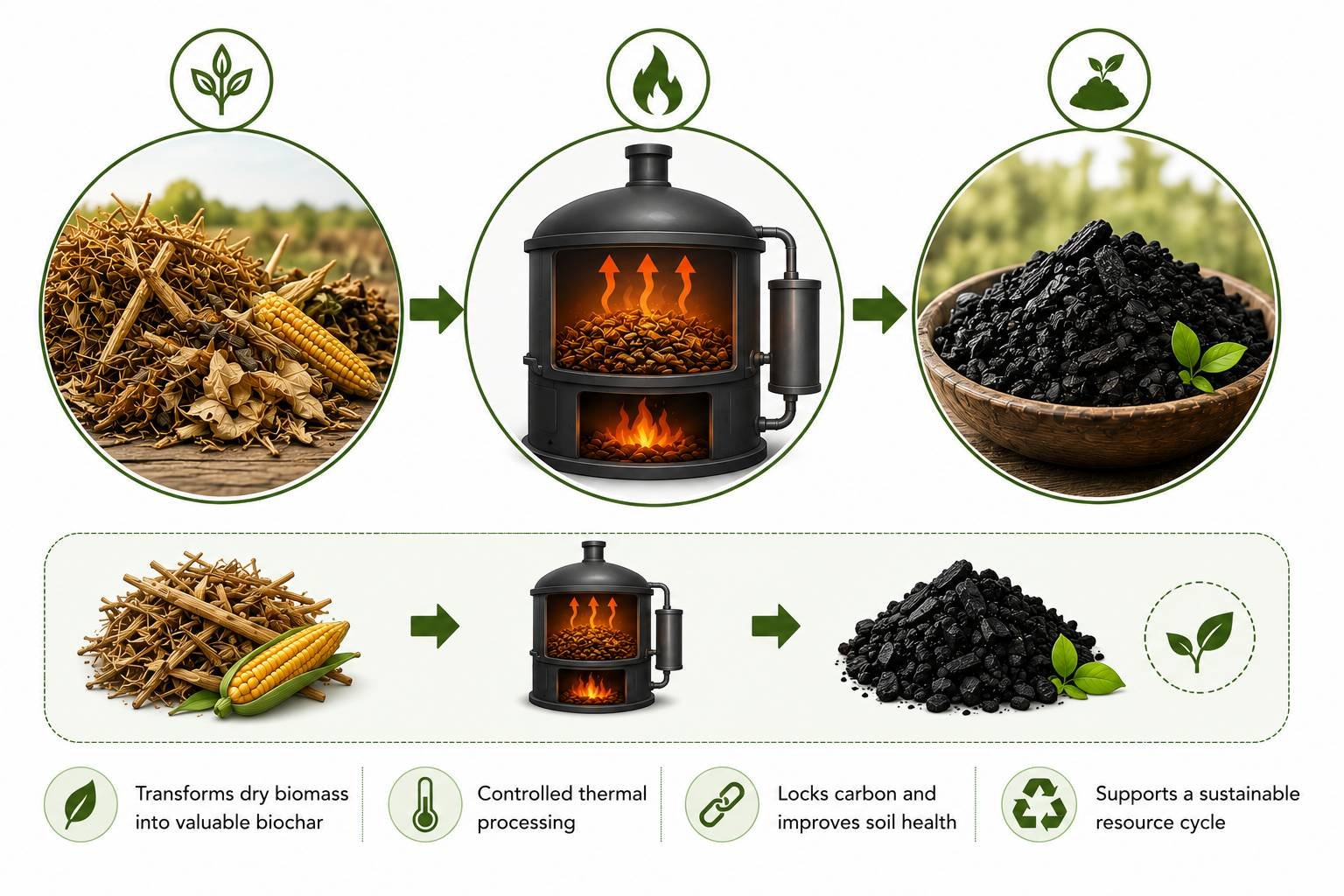
Suitable dry agricultural and plant-based residues can potentially be converted into biochar through controlled thermal processing.
 Pathway 06
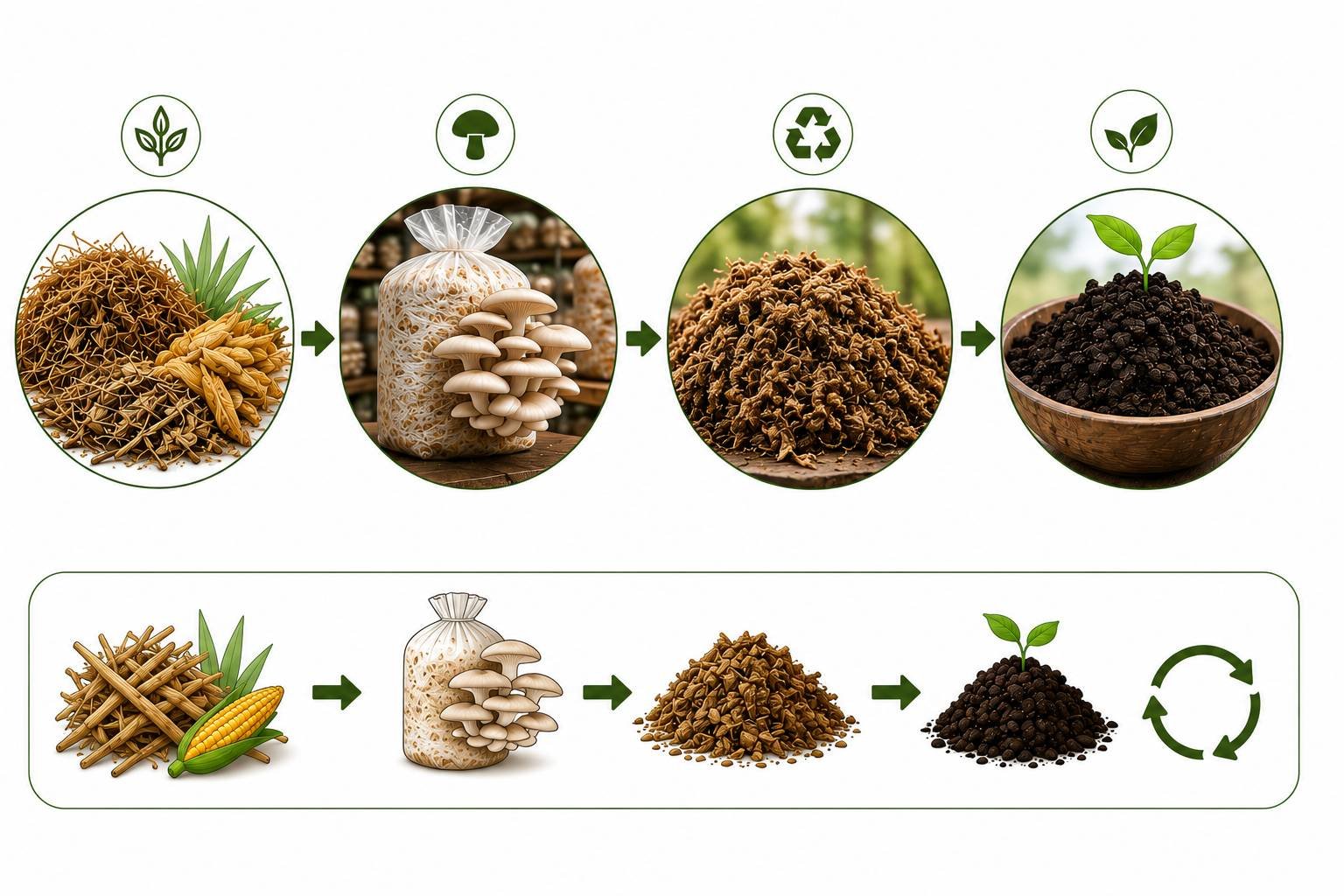
Certain agricultural and plant-based residues can serve as substrates for mushroom cultivation.
Residue → Production → Spent Substrate → Composting
 Pathway 07
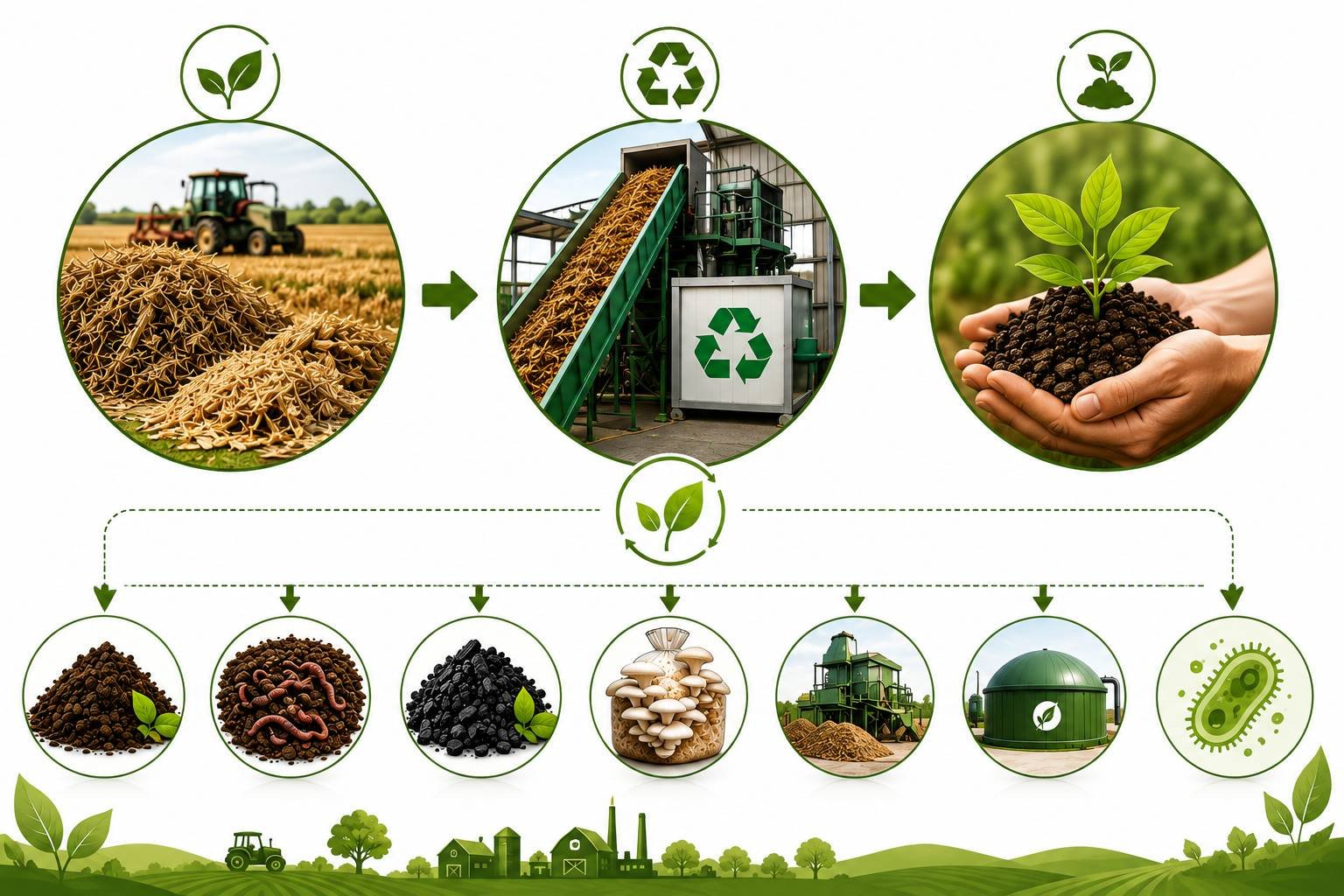
Agricultural and agro-processing industries generate significant quantities of biomass. Instead of treating suitable residues as waste, Grunix Recycling can evaluate pathways such as:
 Pathway 08
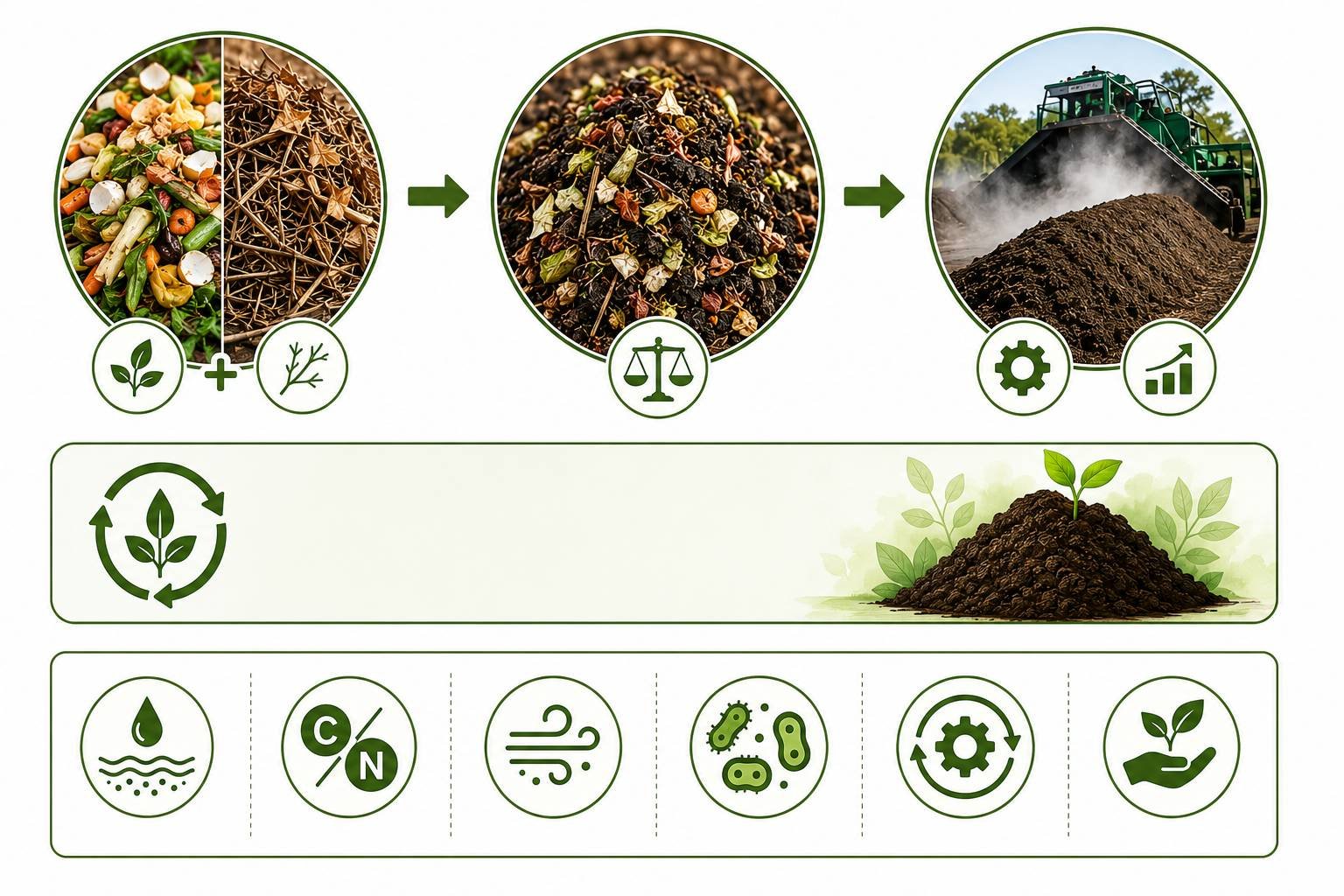
Some organic waste streams have complementary characteristics (e.g. carbon vs moisture). Compatible materials can be blended for biological efficiency.
 Pathway 09
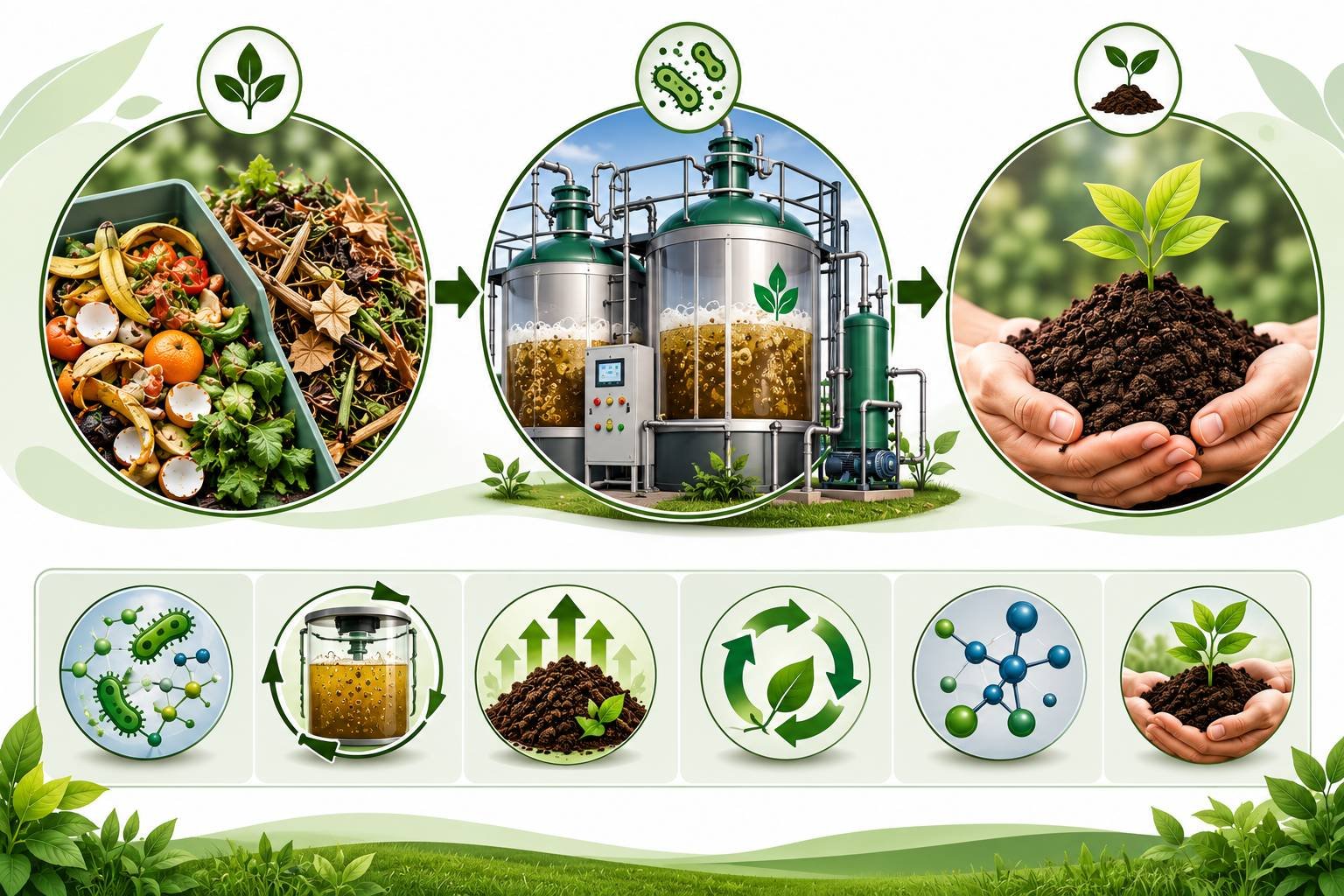
Certain organic residues can be subjected to biological pre-treatment or fermentation processes.
Tell us about your waste and our team can evaluate the possible management and resource-recovery options.