One Waste Stream Can Have Multiple Recovery Pathways
Grunix Recycling does not believe that every organic waste stream should be treated in exactly the same way. We follow a systematic 8-step evaluation to identify and deploy the highest-value recovery route.
From identification at generation point to end-product quality assurance
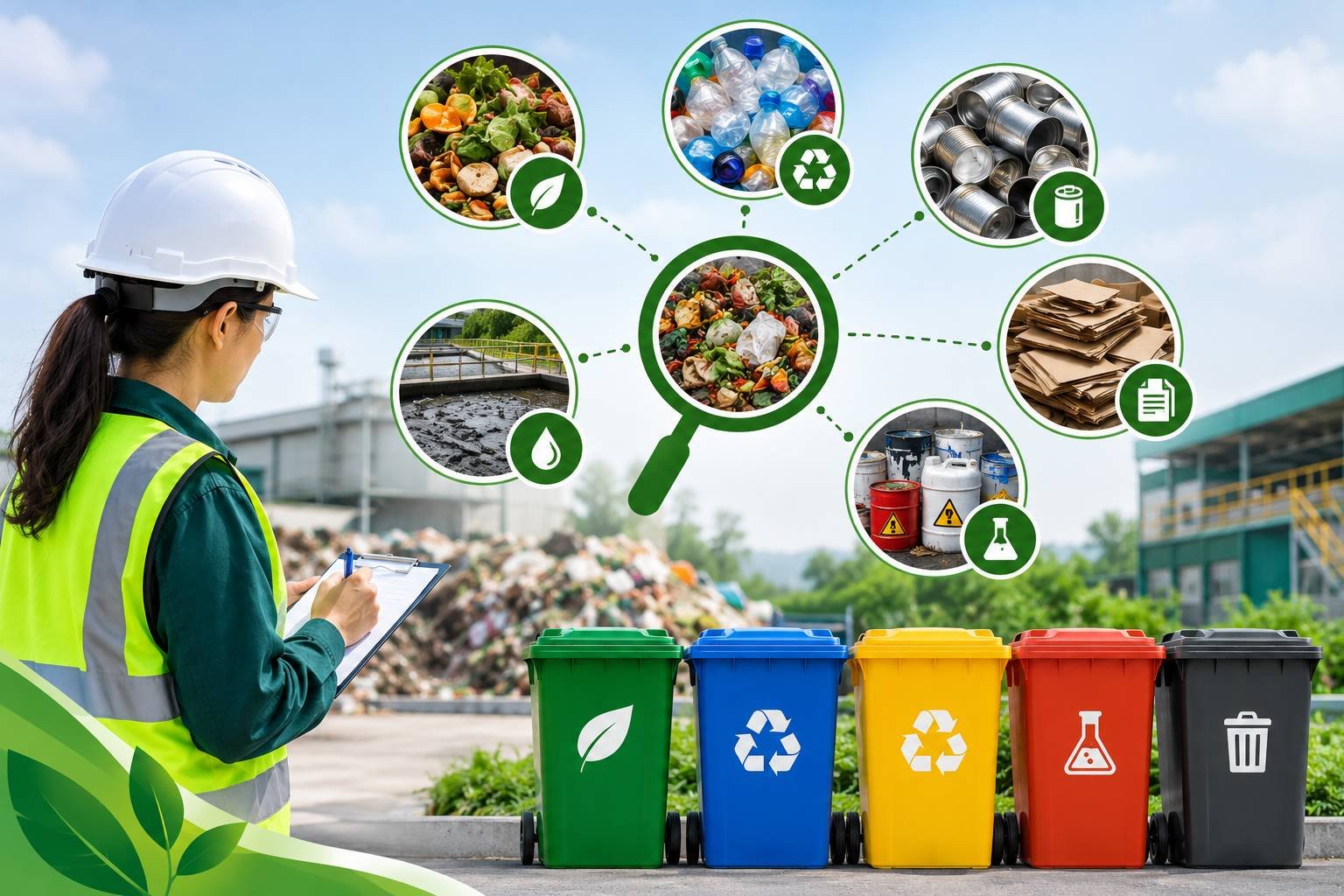 01
01
We identify the source and type of waste.
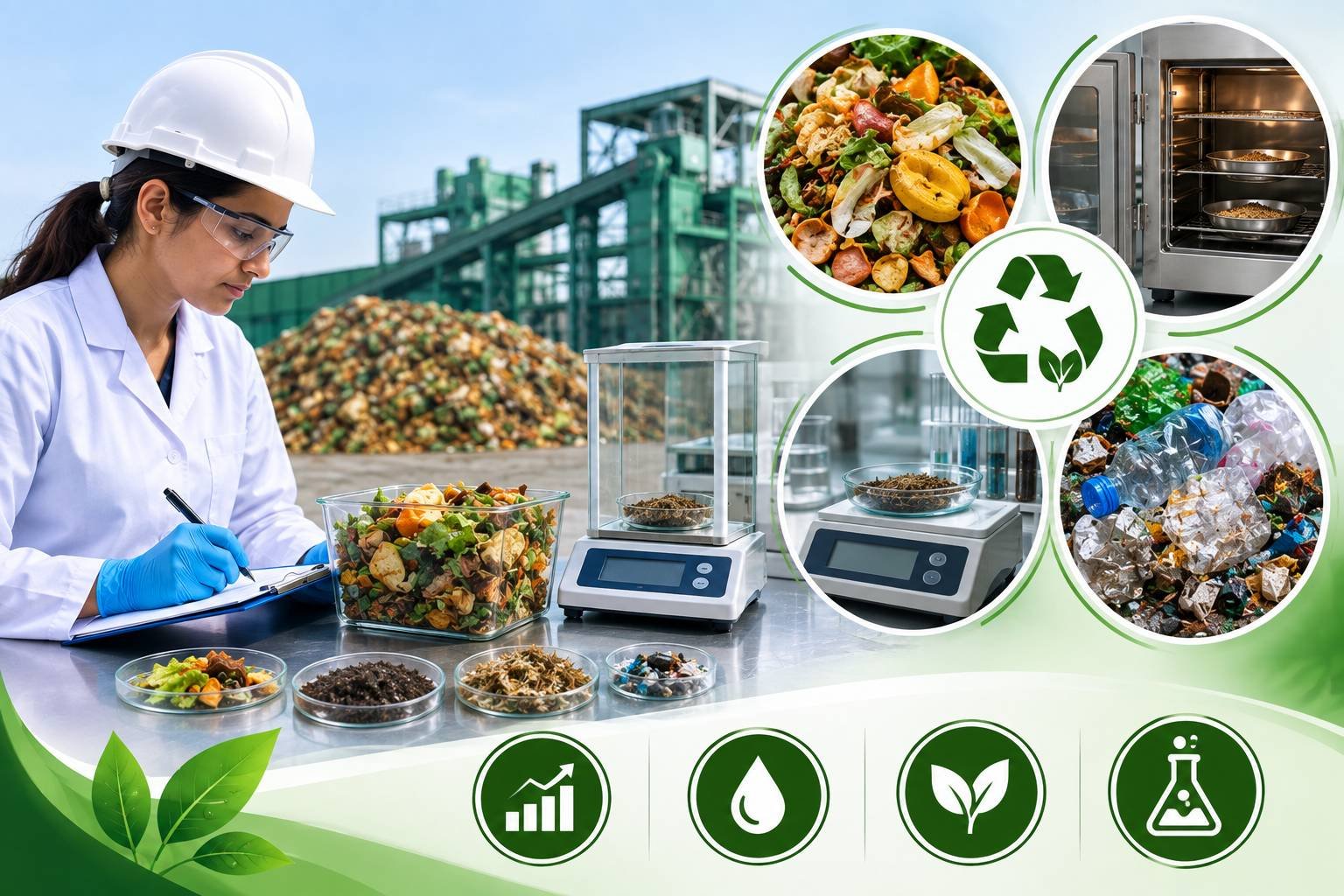 02
02
We evaluate important parameters such as quantity, moisture, composition and potential contaminants.
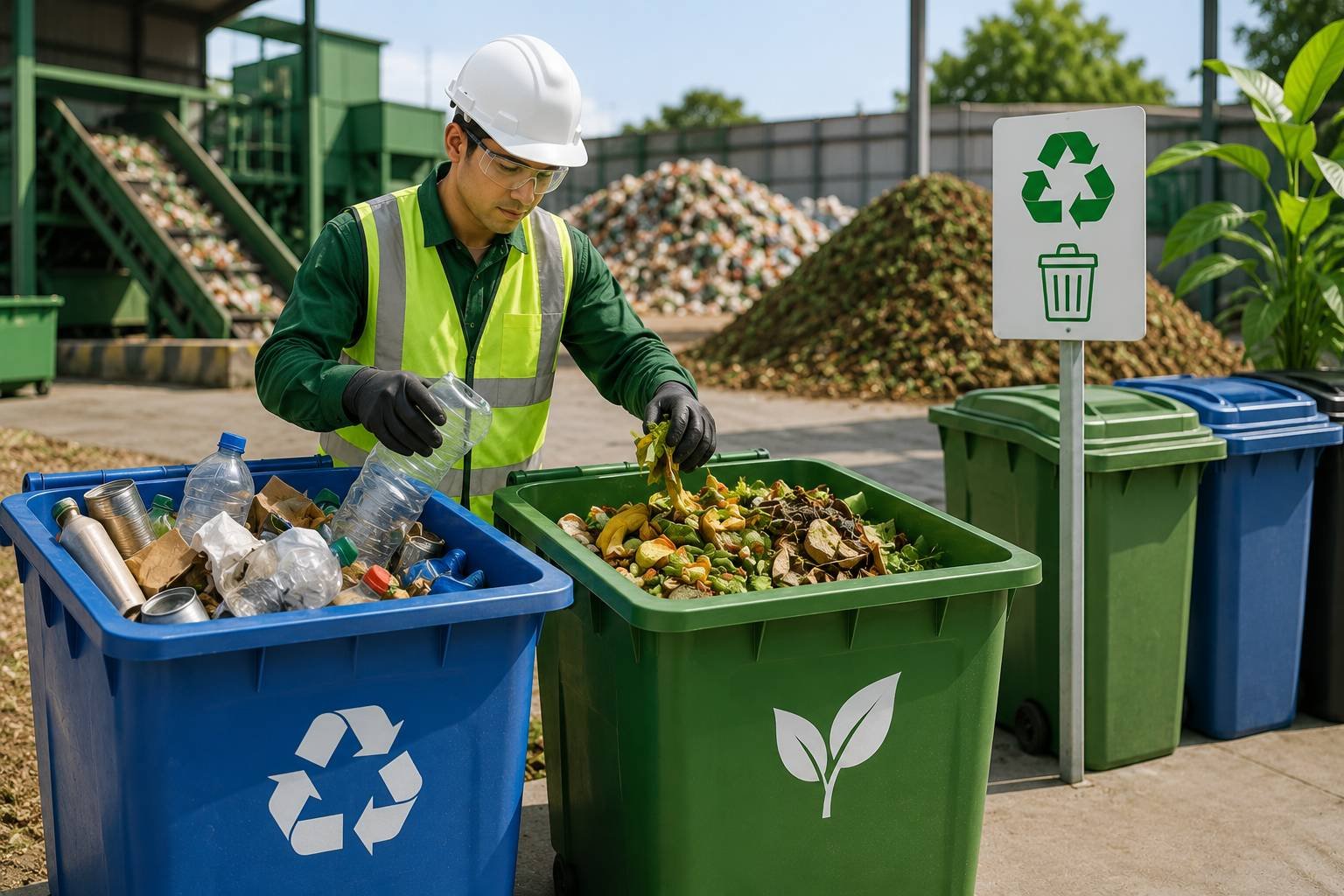 03
03
Suitable recyclable and organic fractions are separated.
 04
04
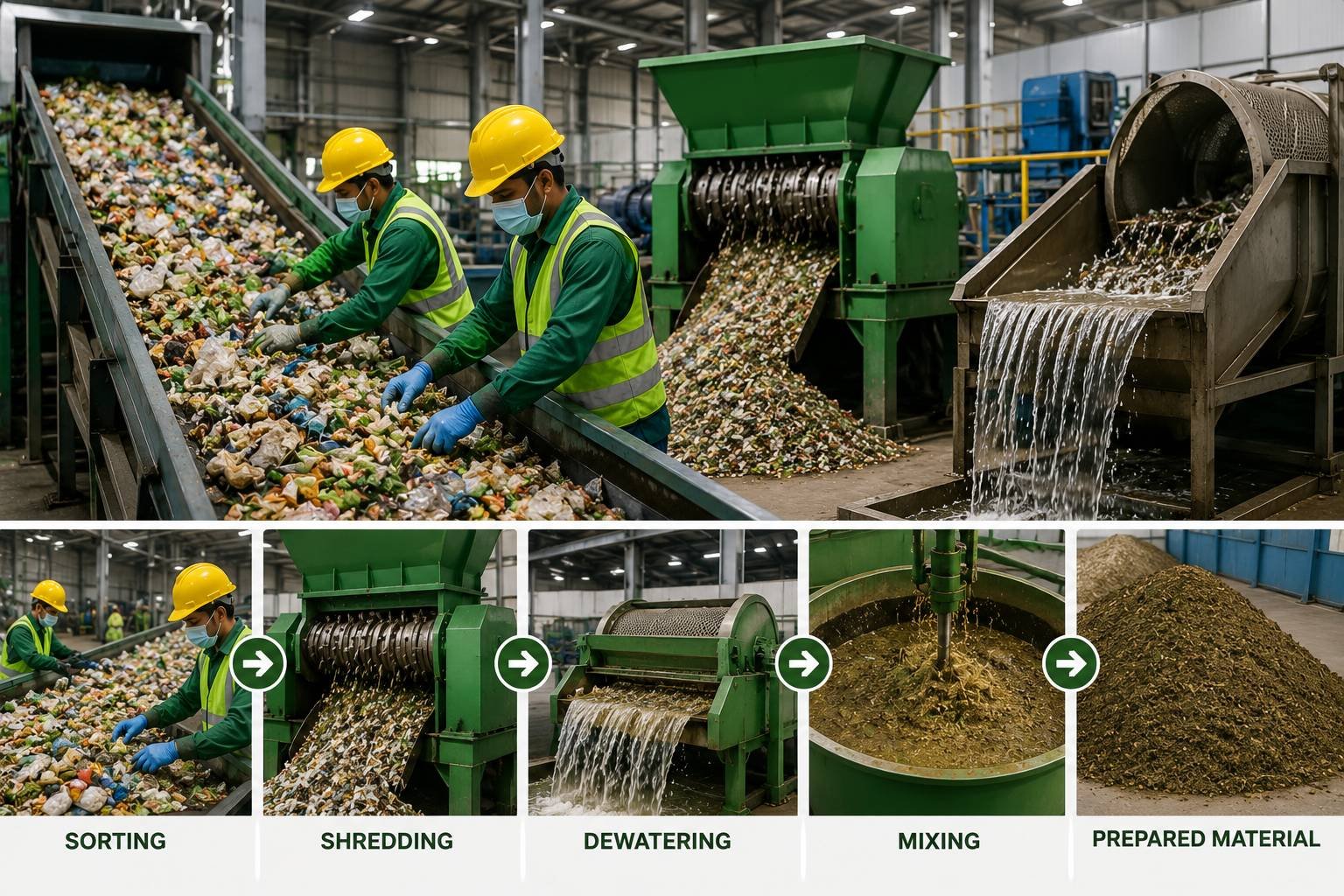
Depending on the waste, this may include sorting, shredding, dewatering, mixing or other preparation.
 05
05
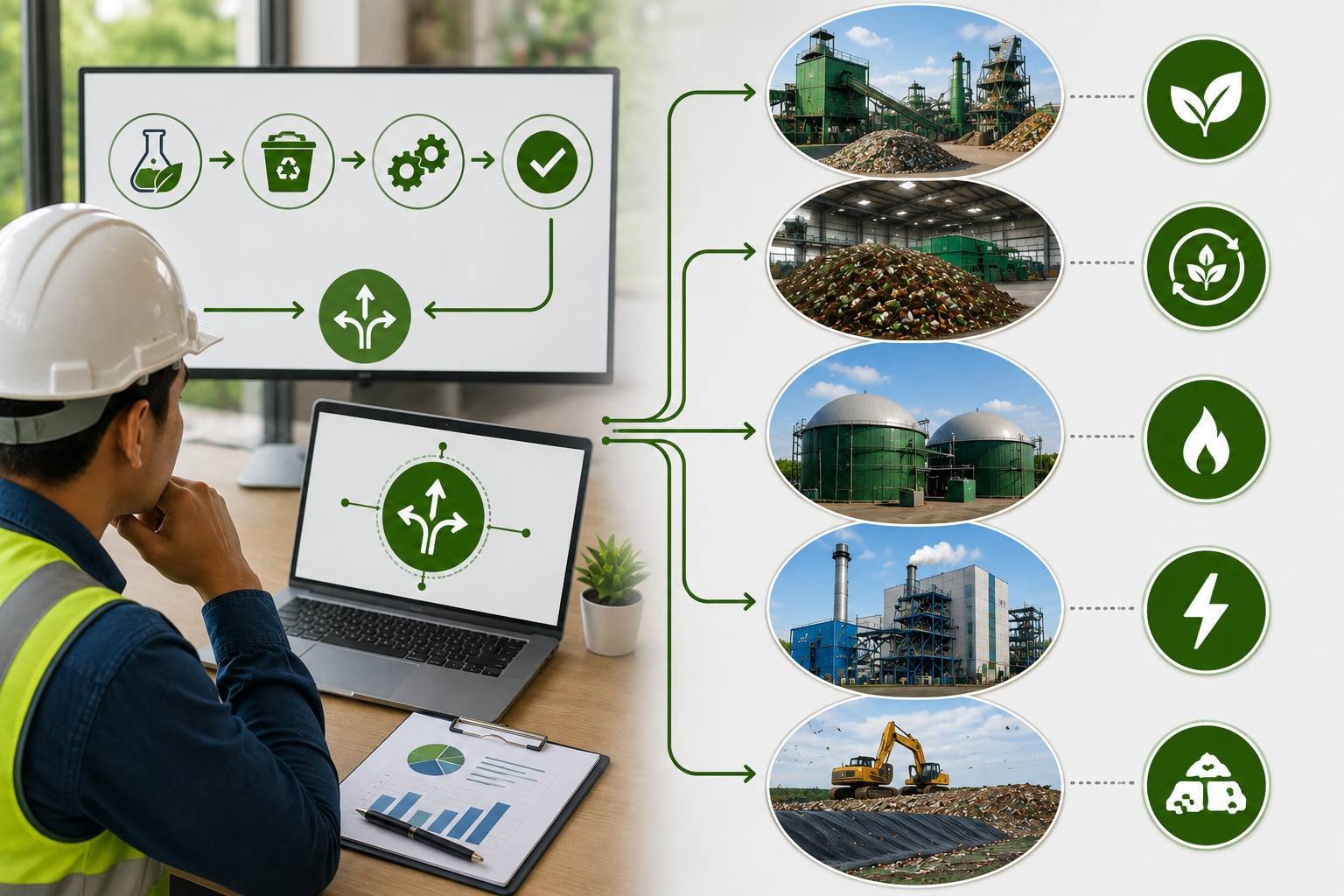
We select the most appropriate recovery pathway.
 06
06
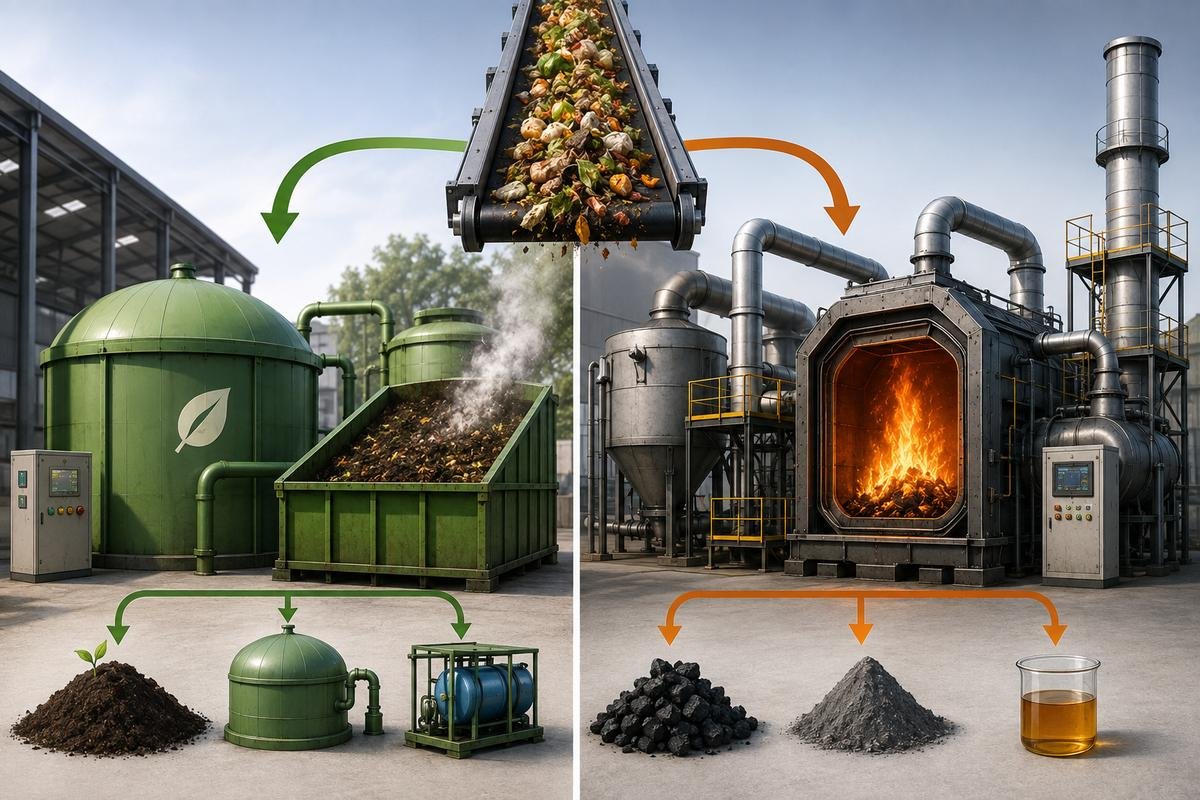
The material enters the appropriate processing system.
 07
07
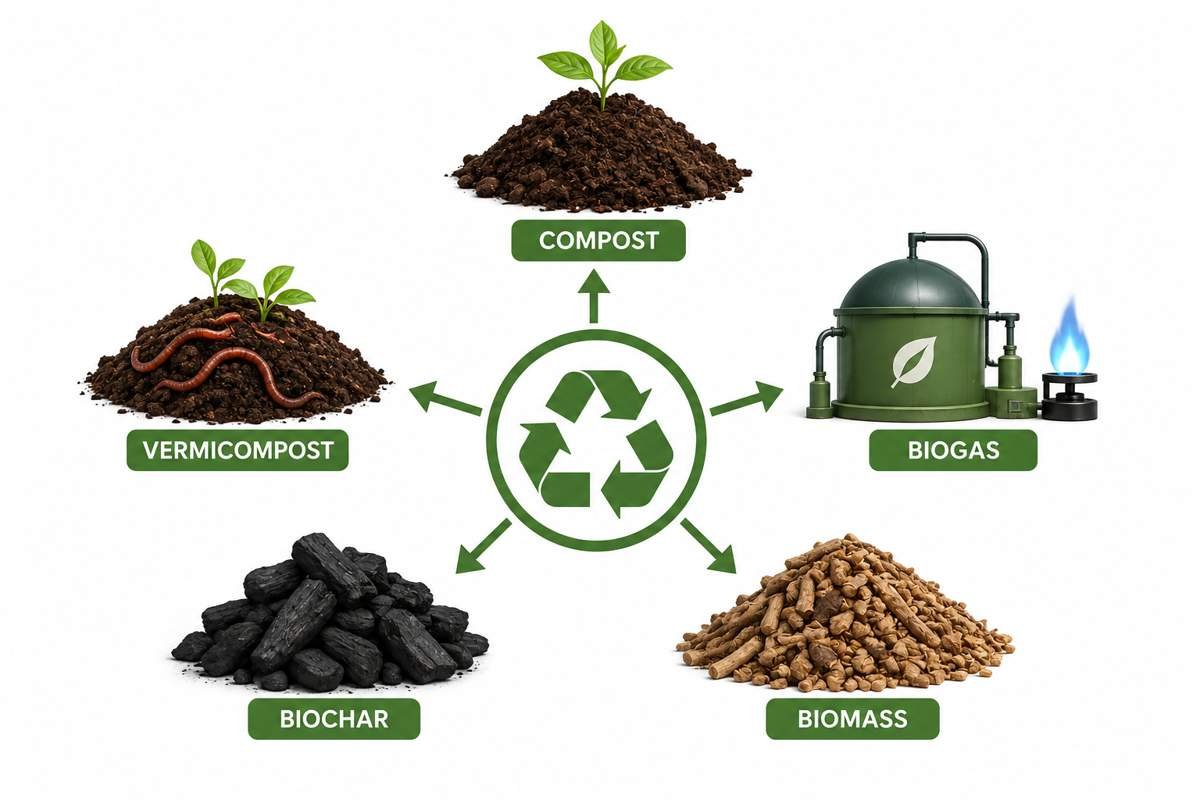
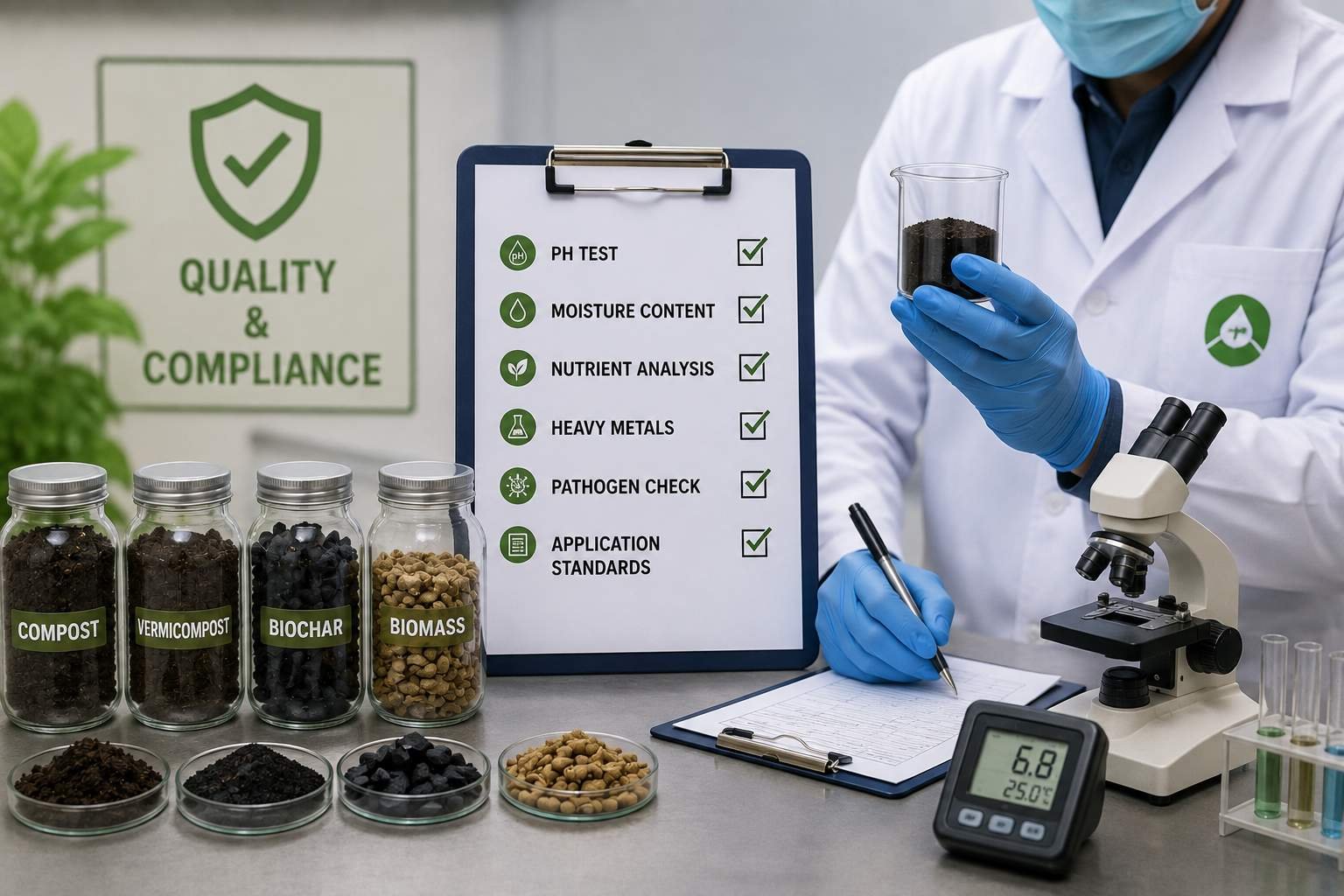
Potential outputs include compost, vermicompost, biogas, biochar, or biomass.
 08
08
Recovered materials are evaluated according to application standards.
What Happens to Your Industrial Organic Waste After Collection?
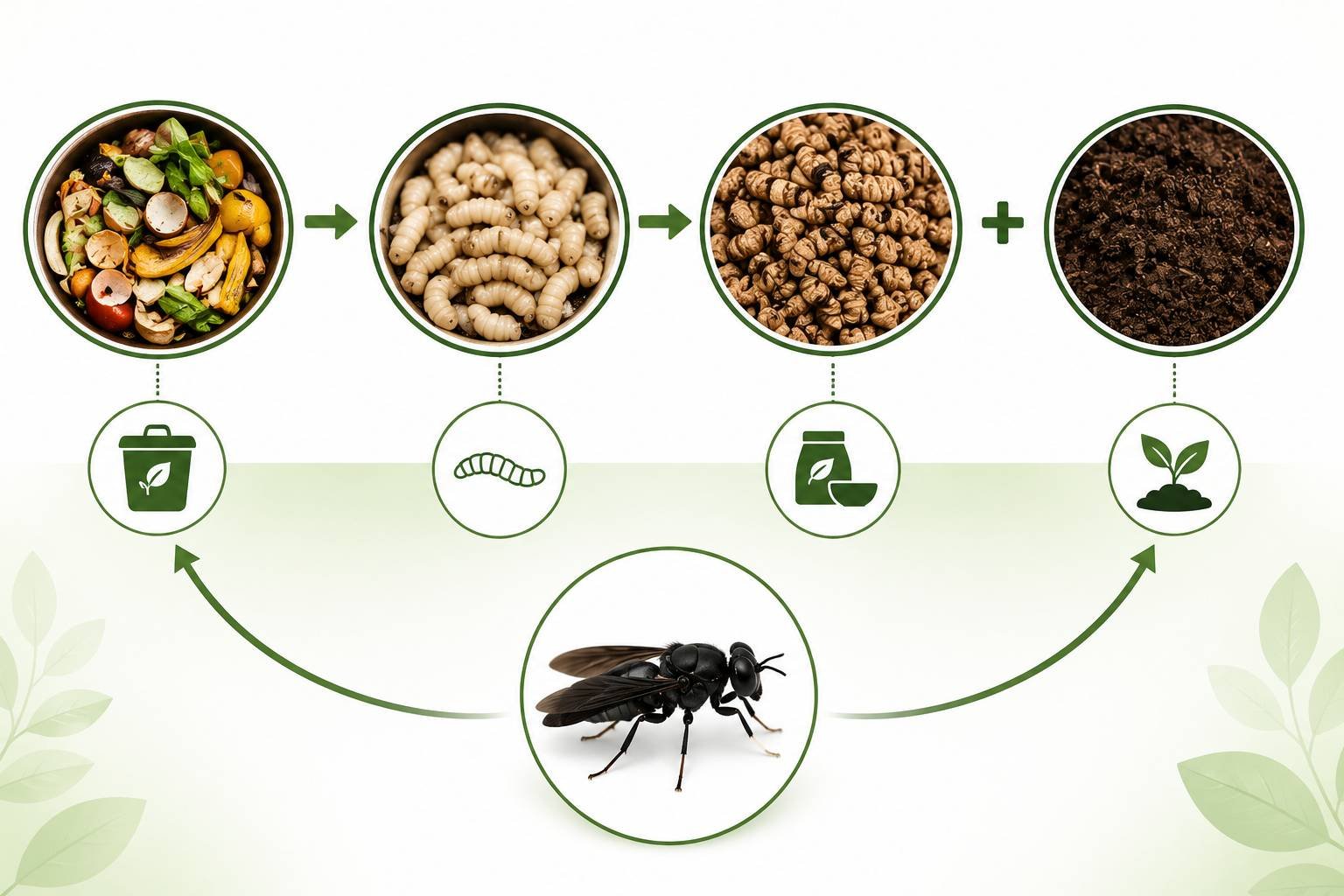 BSF Bioconversion
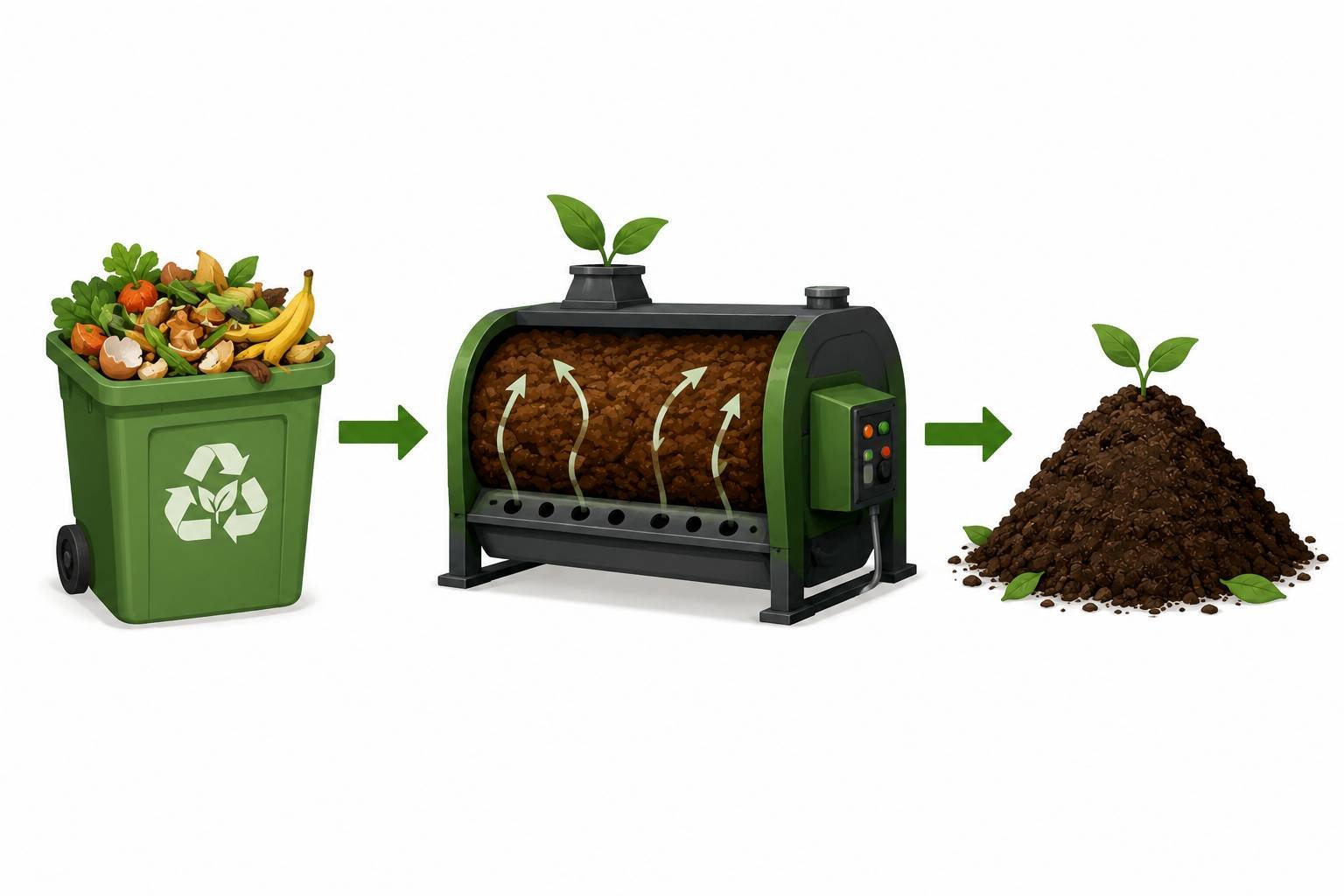 Composting
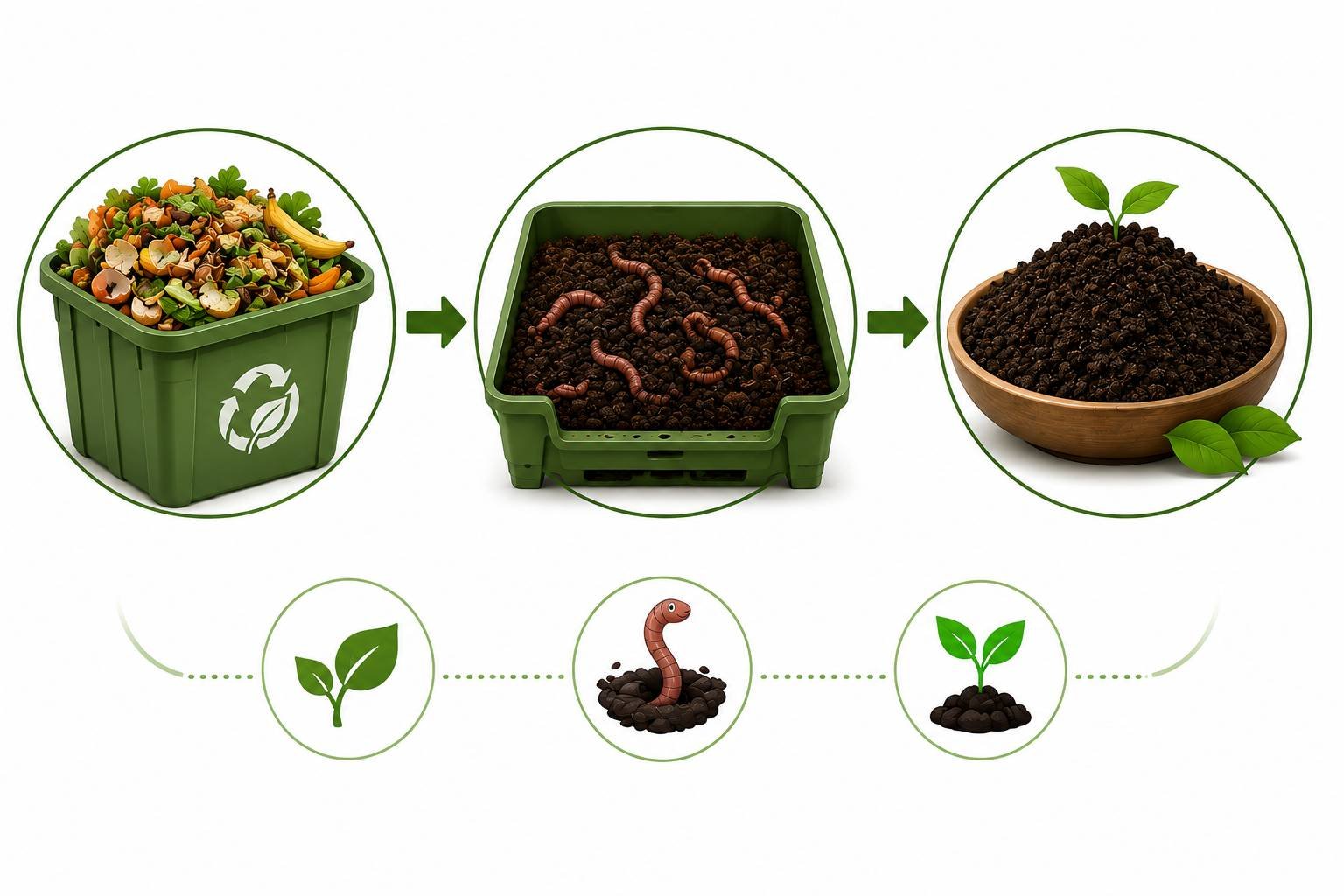 Vermicomposting
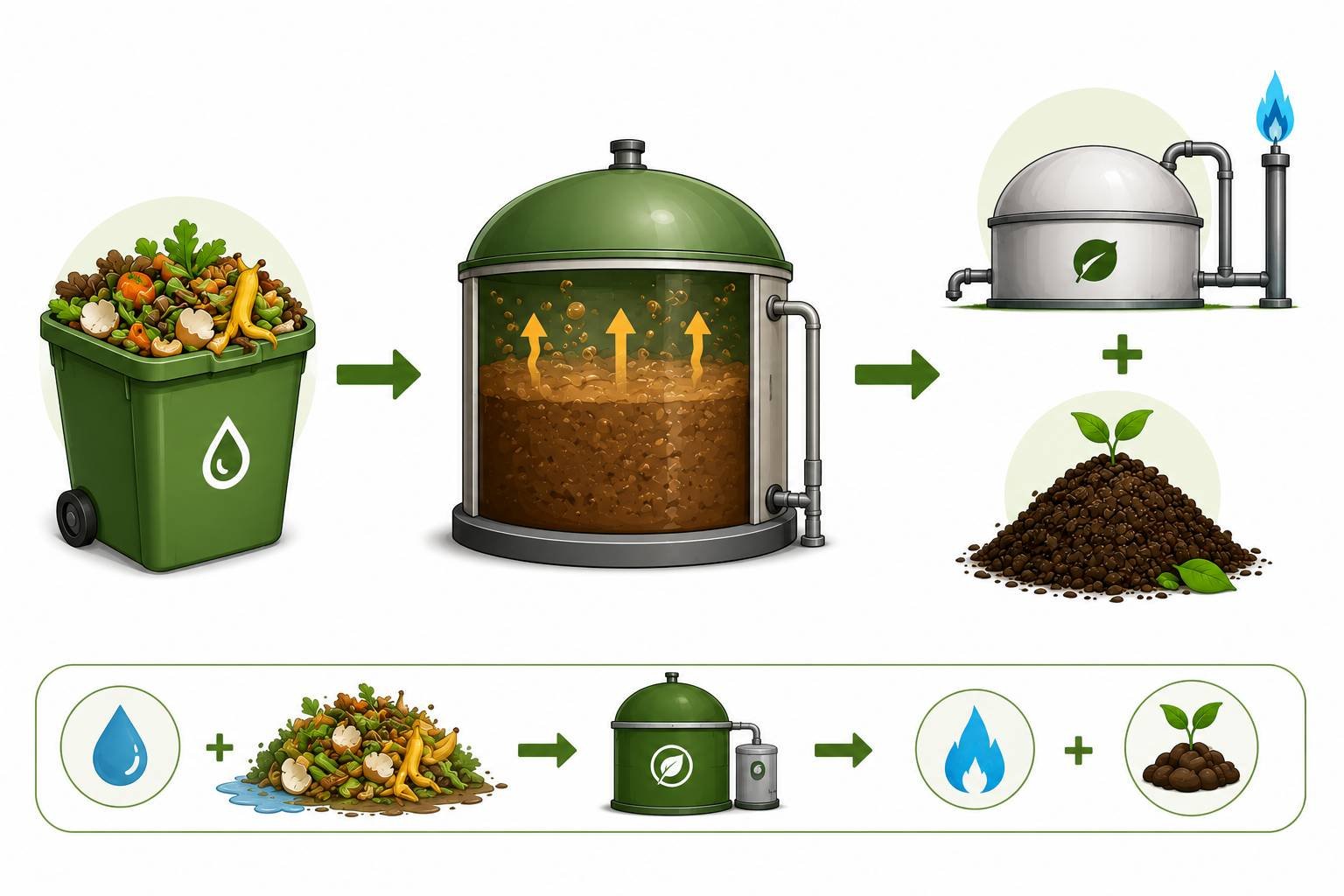 Anaerobic Digestion
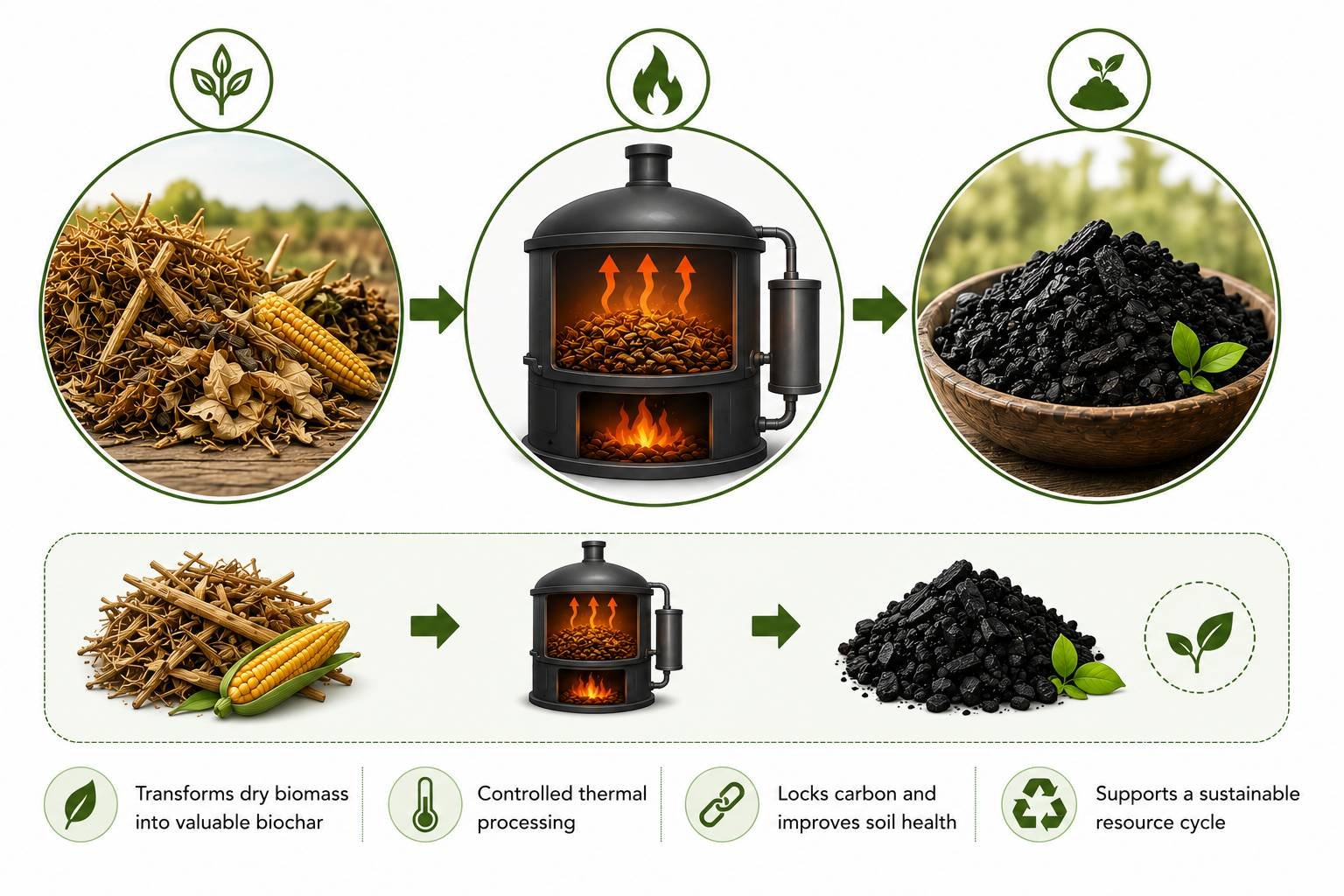 Biochar
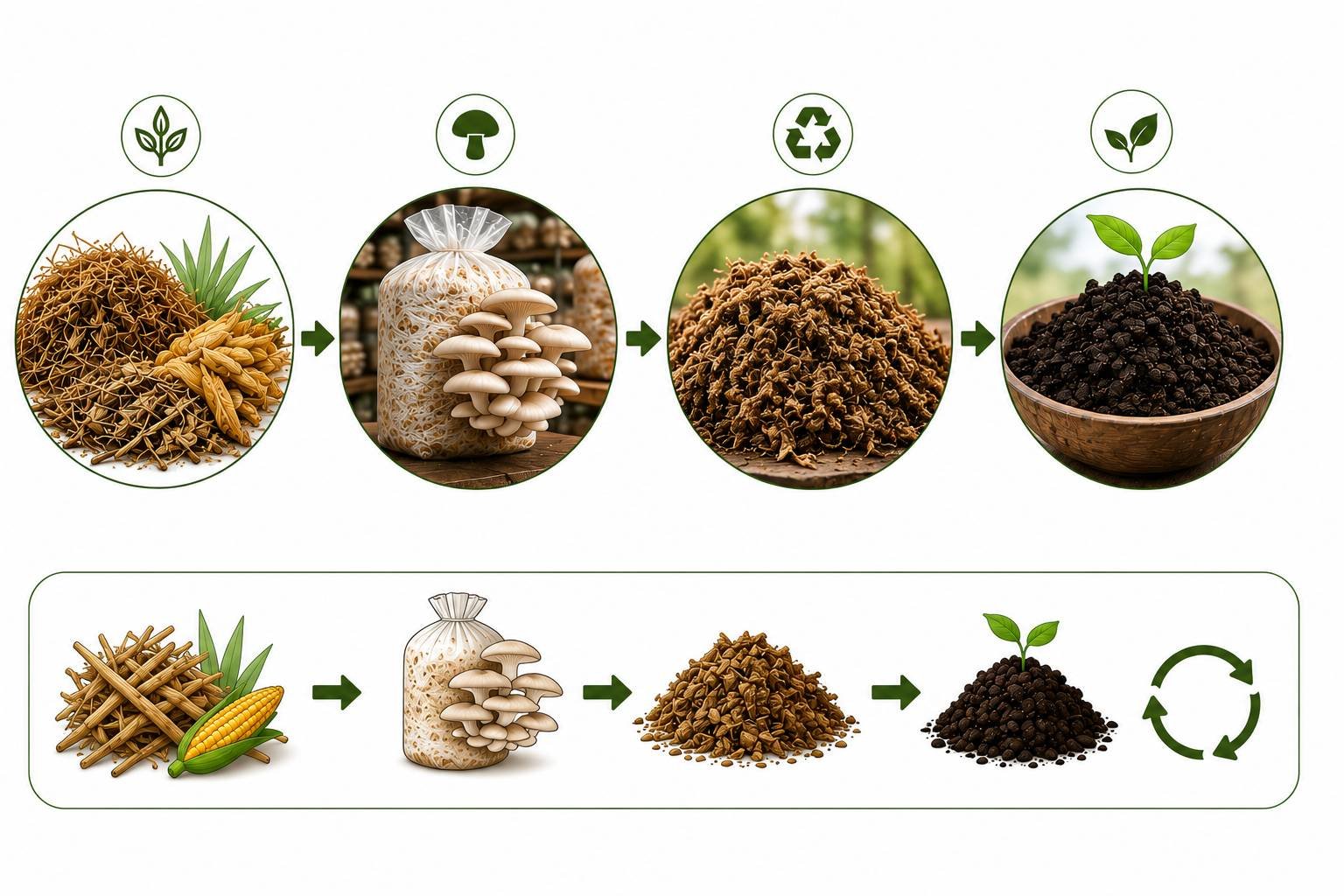 Mushroom Substrate
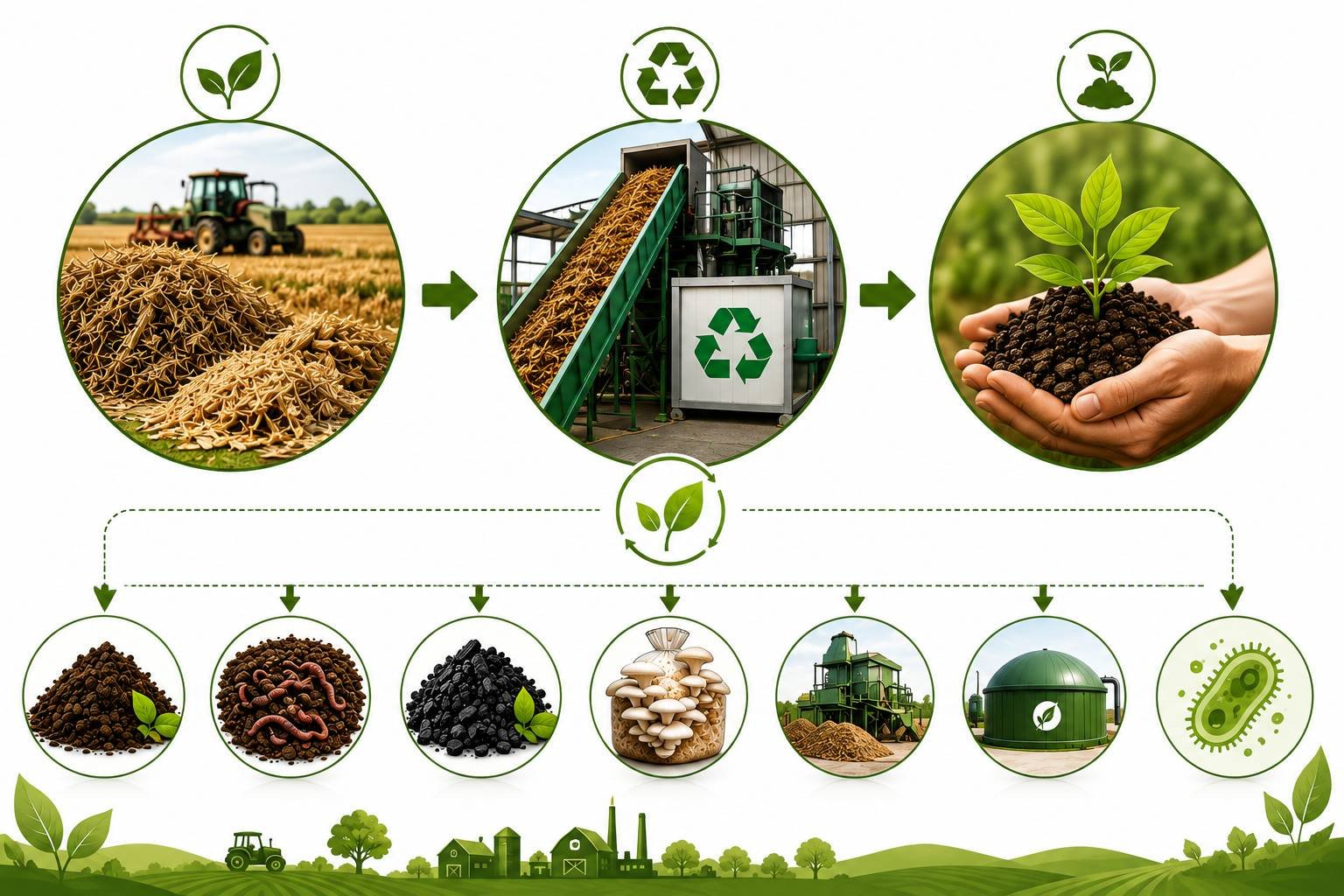 Agricultural Recovery
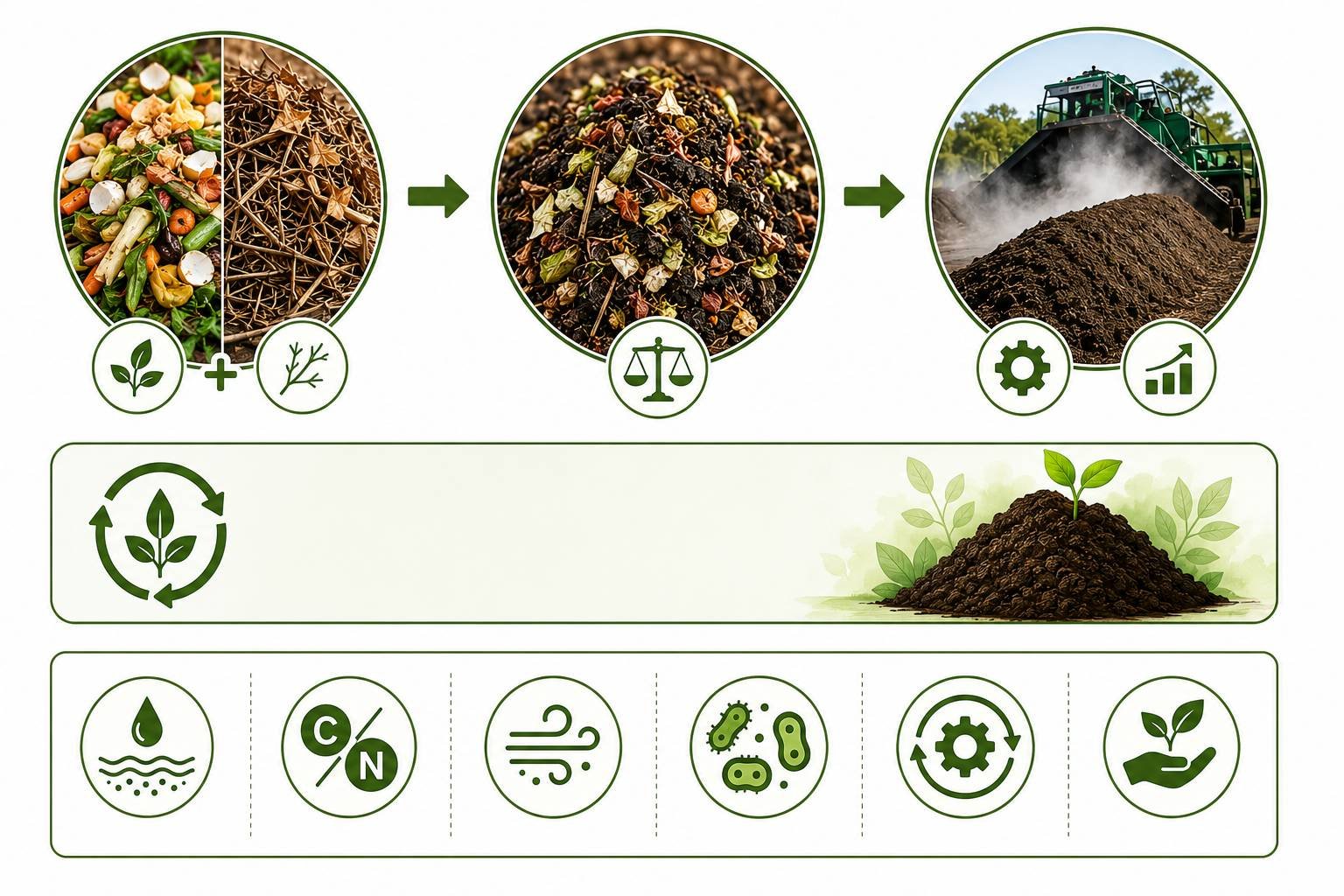 Co-processing
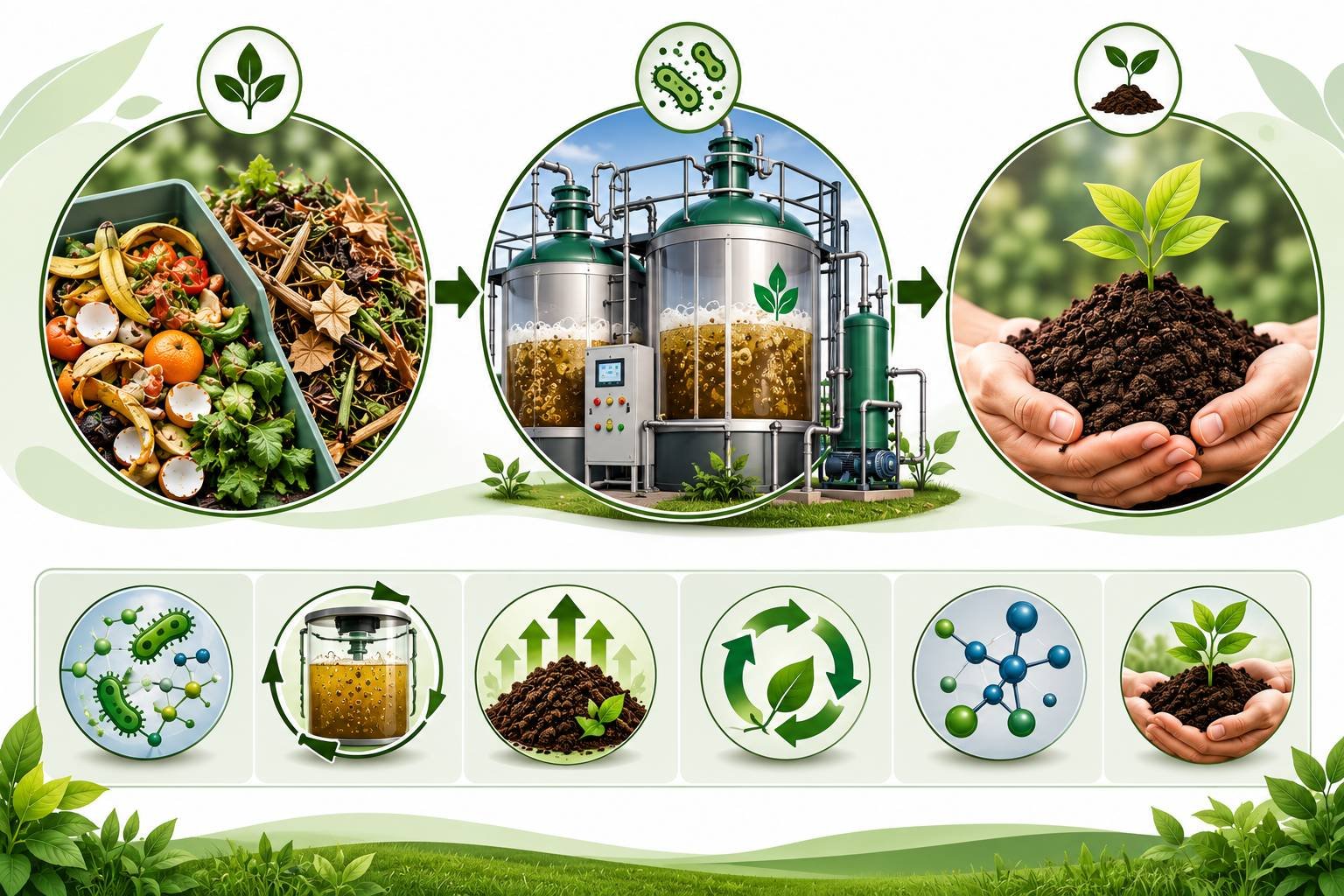 Biological Treatment
Tell us about your waste and our team can evaluate the possible management and resource-recovery options.